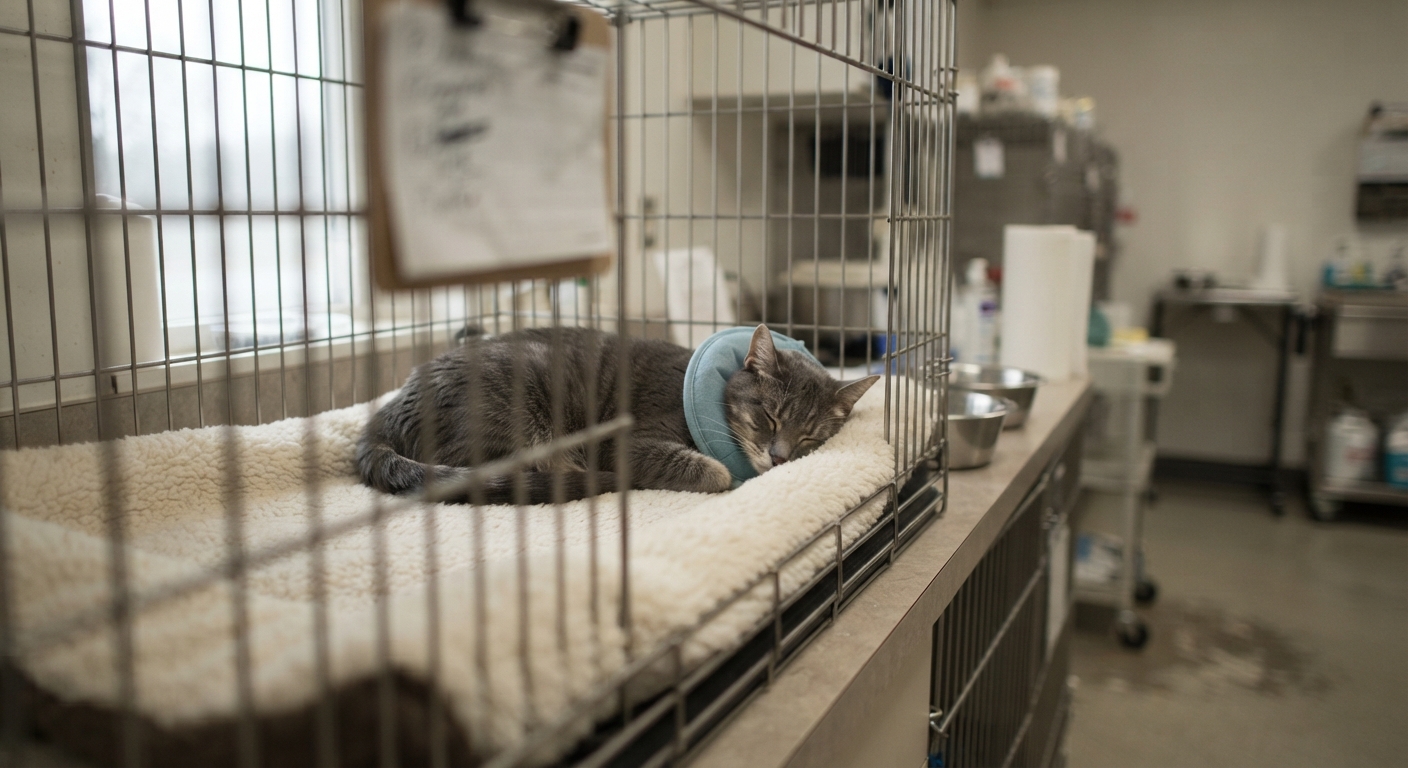

Getting a dog or cat spayed or neutered can run anywhere from a modest fee to several hundred dollars depending on where you live, the size of your pet, and whether your vet is in a big city or a rural clinic. That price gap is exactly why so many households put the surgery off longer than they meant to, or skip it altogether. The good news is that a lot of financial help already exists. It’s just scattered across state health departments, city animal control offices, nonprofits, and shelter partnerships that don’t always show up on the first page of a search engine. This guide walks through where to actually look, how these programs decide who qualifies, and what to do to make your low-cost appointment go smoothly.
State and city-funded spay/neuter programs
Many states run their own spay and neuter assistance programs, often funded through a portion of pet license fees, specialty license plate sales, or a dedicated line item in the state budget. These programs are usually administered by the state’s department of agriculture or department of health, and they typically work by funding participating veterinary clinics directly or by issuing certificates that reduce your out-of-pocket cost at an approved provider.
Because these programs are state-run, the rules vary a lot from one place to another. Some states cover cats but not dogs, or vice versa. Some limit the program to specific counties, especially rural or underserved areas where veterinary access is thin. Others tie funding to feral and community cat colonies rather than owned pets. The only way to know what applies where you live is to check your state government’s website directly, since program names, funding levels, and eligibility rules can change from year to year depending on the state budget.
City and county governments frequently run their own parallel programs, separate from anything the state offers. Animal control departments, county health departments, and municipal shelters often have a dedicated spay/neuter line or a page buried a few clicks deep on the city website. A good starting search is your city or county name plus “animal services” or “animal control,” then look for anything labeled spay/neuter assistance, low-cost clinic, or voucher program. If you can’t find anything online, a phone call to your local animal control office is often faster than digging through a website, and staff there usually know about programs in neighboring counties too, even ones their own department doesn’t run.
What to expect from a government-funded program
- Appointments may be limited and fill up weeks in advance, especially in spring when demand rises.
- You may need proof of residency in the state, city, or county funding the program.
- Some programs prioritize by need, meaning pets from lower-income households, feral colonies, or shelters may be served before general applicants.
- Funding can run out mid-year, so a program that was fully funded in January might pause new appointments by fall.
Nonprofit and shelter-based low-cost options
Outside of government programs, a large share of affordable spay and neuter access in the US comes from nonprofits. National and regional animal welfare organizations often fund mobile spay/neuter clinics, fixed low-cost clinics, or partnerships with local shelters that let any pet owner book a discounted appointment, not just people adopting from that shelter. These clinics are usually run efficiently and see a high volume of animals each day, so the surgery itself is often quicker and more routine than what you’d get at a full-service veterinary hospital, though the quality of care is generally still solid since these clinics specialize in exactly this procedure.
Local humane societies and SPCA-affiliated shelters are a good first call even if you never adopted a pet from them. Many maintain their own low-cost clinic or can point you toward one nearby. Breed-specific rescue groups sometimes offer spay/neuter grants too, particularly for breeds that are overrepresented in local shelters, as a way to reduce future intake.
A few things to keep in mind when comparing nonprofit options:
- Mobile clinics travel on a rotating schedule and may only be in your area once a month or once a season, so booking ahead matters.
- Fixed low-cost clinics operate more like a regular vet office with regular hours, but they may have a waitlist of several weeks during busy periods.
- Trap-neuter-return (TNR) programs are specifically for community or feral cats and usually have separate intake procedures from owned-pet programs. If you’re caring for a stray or colony of outdoor cats rather than a pet living in your home, ask specifically about TNR services since the process and pricing structure is different.
It’s worth calling more than one nonprofit in your area, since availability shifts constantly and a clinic that’s booked solid this month might have openings next month.
Income-based and voucher programs explained
A lot of low-cost spay/neuter programs aren’t free to everyone. They’re subsidized for people who meet certain income or benefit criteria, which is a distinction worth understanding before you assume a program either applies to you or doesn’t. Two structures show up most often:
Income-based sliding scale
Some clinics and nonprofits set their price based on your household income relative to guidelines similar to those used for other public assistance programs. You may be asked to show proof of income, such as a recent pay stub, or proof that you already receive certain public benefits, which often serves as automatic qualification without requiring separate income documentation. If you’re unsure whether you qualify, it’s almost always worth asking, since some programs are more flexible than their paperwork suggests, and staff can sometimes point you to a different program if you don’t meet one clinic’s specific cutoff.
Voucher programs
Voucher programs work a bit differently. Instead of the clinic itself setting a reduced price, a separate organization (often the state, a city, or a nonprofit) issues a voucher or certificate worth a set dollar amount or percentage off, which you then bring to a participating veterinary clinic. The clinic bills the voucher program directly for that portion, and you pay the remainder. Vouchers usually have an expiration date, so once you receive one, don’t sit on it. They also often specify which clinics accept them, so double-check that your preferred vet is actually a participating provider before you count on using it there.
A few practical notes about both approaches:
- Documentation requirements are usually about your household, not your pet, so have basic proof of address and income or benefits on hand when you apply.
- Some programs limit how many pets per household can be assisted per year, so if you have multiple pets needing the surgery, ask about that limit up front.
- Waitlists are common for the most heavily subsidized programs, since demand usually outpaces available funding.
If cost is a serious barrier, it’s worth applying to more than one program at once rather than waiting to hear back from one before trying another. There’s no rule against pursuing multiple options in parallel, and whichever comes through first is the one you use.
How to prepare your pet for a low-cost clinic appointment
Low-cost and high-volume clinics tend to run on tight schedules, which means a little preparation on your end goes a long way toward keeping the day simple for you, your pet, and the staff.
Before the appointment
- Confirm fasting instructions. Most clinics require pets to have no food after a certain time the night before, since anesthesia and an empty stomach go together for safety reasons. Water is usually fine up until a specified time, but confirm the exact instructions with the clinic directly rather than assuming, since policies differ slightly between providers.
- Ask what to bring. You’ll likely need proof of eligibility for the program (income documentation, a voucher, proof of residency), your pet’s rabies vaccination record if they have one, and payment for any portion not covered.
- Ask about vaccination requirements. Many low-cost clinics require an up-to-date rabies vaccine before surgery, and some offer it on-site for an additional fee if your pet doesn’t already have one. Find this out ahead of time so it doesn’t become a surprise cost or a reason to reschedule.
- Plan your transport carrier or leash setup. High-volume clinics often see many animals in a single day, and a secure carrier for cats or a well-fitted leash and collar for dogs helps keep check-in fast and reduces stress for everyone, including your pet.
- Note any current medications or health concerns. Clinic staff will ask about your pet’s general health history at intake. Write down anything you might forget under time pressure, like a known reaction to a past medication, but leave the actual medical judgment to the clinic’s veterinary staff.
Day of and aftercare
- Arrive on time or early. High-volume clinics often move through a set schedule, and arriving late can mean losing your slot for the day.
- Plan for a full-day drop-off in many cases. Low-cost clinics frequently ask you to drop your pet off in the morning and pick them up later in the day rather than waiting on-site, so arrange your schedule accordingly.
- Get clear discharge instructions. Before you leave with your pet, make sure you understand any aftercare guidance the clinic gives you, including activity restrictions, incision care, and what would warrant a follow-up call. If anything about your pet’s recovery seems off once you’re home, contact the clinic or your regular vet rather than guessing.
- Ask about a recheck. Some clinics include a follow-up visit or offer one at low cost; others expect your regular veterinarian to handle any post-surgical concerns. Knowing which applies to you before you leave saves a confused phone call later.
Affordable spay/neuter access exists in nearly every part of the country in some form, but it’s rarely advertised loudly. A short list of phone calls to your city or county animal services office, your nearest humane society, and a search of your state’s agriculture or health department website will usually turn up more options than you expected. Since availability and funding shift throughout the year, it’s worth checking back if the first program you find is fully booked or out of funds rather than assuming that’s the only door available to you.