What mobile and pop-up vet clinics typically offer
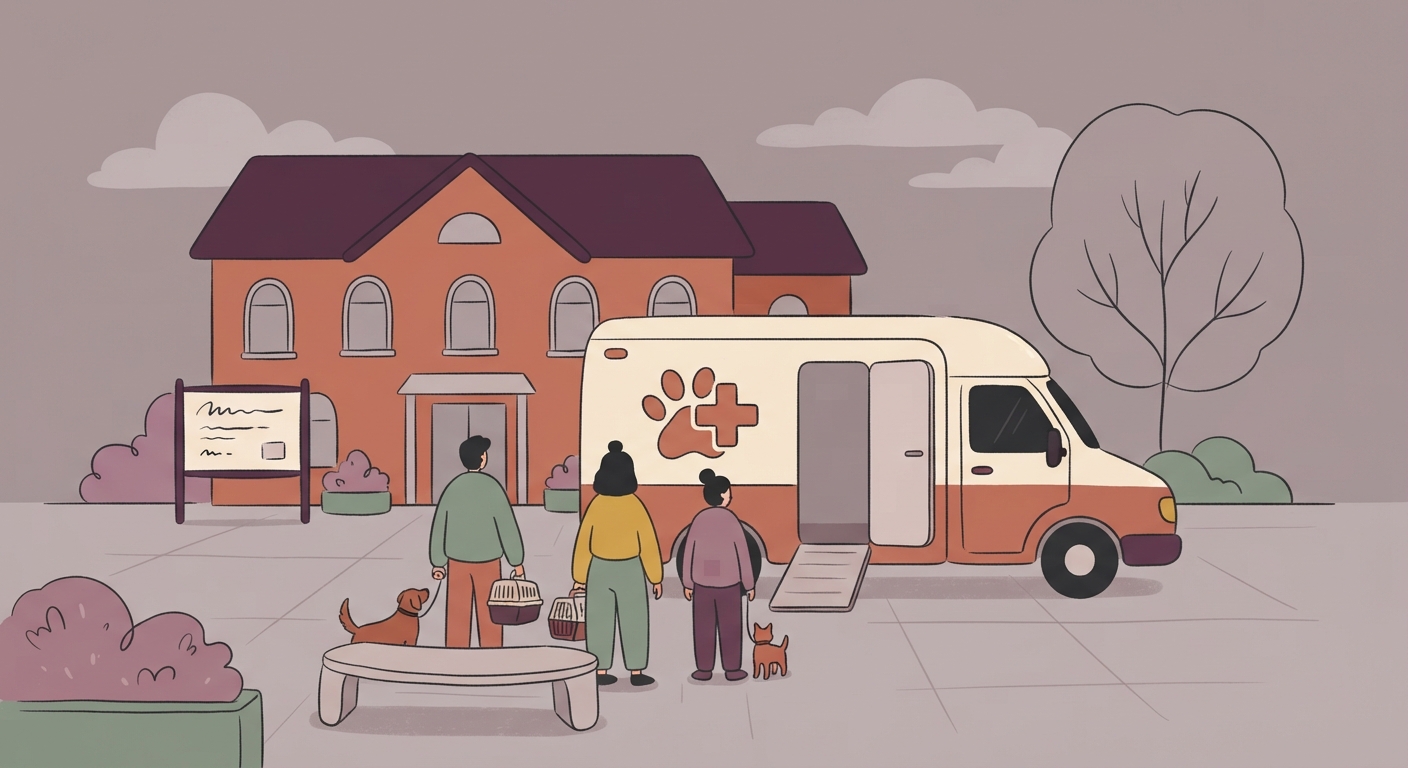
If you’ve ever seen a van parked outside a feed store or a folding table set up in a pet supply store parking lot with a line of dogs waiting patiently (or not so patiently), you’ve spotted a mobile or pop-up vet clinic in action. These services have been around for decades in rural areas where getting to a full veterinary hospital meant a long drive, but they’ve become a lot more common in suburbs and cities too, partly because they fill a real gap for pet owners who need basic care without the overhead of a full clinic visit.
Most mobile and pop-up clinics focus on a narrow, predictable menu of services. Core vaccines like rabies, DHPP for dogs, and FVRCP for cats are the bread and butter. Many also offer bordetella, leptospirosis, and feline leukemia vaccines depending on what’s recommended in your area. Beyond vaccines, you’ll typically find microchipping, basic wellness checks, nail trims, heartworm and parasite testing, and sometimes flea and tick preventatives or deworming medication sold on the spot.
Some operations are run directly by a licensed veterinarian who travels with a vet tech assistant, doing everything from the van itself. Others are organized by a nonprofit or community health group that partners with a vet for a single day at a set location, almost like a farmers market for pet care. Both models can be legitimate, but it helps to know which one you’re dealing with, since it affects things like follow-up care, record-keeping, and how easy it is to ask a question later if something about your pet’s visit is on your mind.
These clinics tend to run on a walk-in or first-come basis rather than scheduled appointments, though some now let you reserve a time slot online. Visits are usually quick and efficient by design — the whole point is high volume, low overhead, and getting pets in and out so the line keeps moving.
How pricing compares to a traditional vet office visit
The cost difference is the main reason these clinics exist, and it can be substantial. A traditional vet office visit often bundles an exam fee together with whatever vaccines or services you’re there for, and that exam fee alone can be a meaningful chunk of the bill even if your pet is perfectly healthy and just needs a routine shot. Mobile and pop-up clinics generally strip that down. Many charge per vaccine or per service rather than tacking on a separate general exam fee, or they charge a small flat visit fee that covers a quick look-over plus whatever shots you need.
This a-la-carte structure means you’re paying mostly for the actual service rendered rather than for the overhead of running a full hospital — the exam rooms, the diagnostic equipment sitting idle, the front desk staff, the building lease. A van or a folding table has a lot less overhead than a brick-and-mortar clinic with surgical suites and imaging equipment, and that savings tends to get passed along to pet owners.
It’s worth noting that pricing varies quite a bit by region, by organizer, and by what exactly is included. Nonprofit-run pop-up clinics, especially ones tied to shelters or community outreach programs, often charge the least, sometimes on a sliding scale or with free options for qualifying households. For-profit mobile vet services usually cost more than a nonprofit pop-up but still come in noticeably lower than a full-service animal hospital for the same basic items. The best way to know what you’ll actually pay is to check the specific clinic’s posted price list or call ahead, since these numbers shift from one operator and one region to the next.
If you’re trying to budget for the year, it can help to think of mobile clinics as a tool for the predictable, routine part of pet ownership — the stuff you know is coming, like annual shots — rather than as a replacement for your emergency or illness budget. Pairing lower-cost routine care with a pet insurance policy or a dedicated savings fund for the unpredictable stuff is a common way owners stretch their overall pet care budget further.
Limitations: what these clinics generally can’t handle
Mobile and pop-up clinics are built for speed and volume, which means there’s a natural ceiling on what they can do. Most don’t have the equipment for anything beyond basic diagnostics. Don’t expect X-rays, ultrasounds, bloodwork panels beyond a quick in-house test, or the kind of imaging that helps figure out what’s going on when a pet is genuinely sick or injured.
Surgery is almost never on offer at a standard mobile vaccine clinic, though this is worth a separate mention: some mobile services specialize specifically in spay and neuter surgeries and travel with the equipment and sterile setup needed for that one procedure. That’s a different kind of mobile clinic than the vaccine-and-wellness van, so it’s worth checking exactly what a given service specializes in before assuming it can or can’t do something.
Because visits are quick and the same vet may not be there every time, mobile clinics generally aren’t set up to manage an ongoing health issue. If your pet has a chronic condition, is on a long-term medication that needs regular monitoring, or has a complex medical history, a five-minute stop at a folding table isn’t the place to manage that. These clinics also aren’t equipped to handle emergencies — if your pet is in acute distress, you need a full veterinary hospital or an emergency animal hospital, not a pop-up event.
Record-keeping can be a limitation too. Some mobile clinics are excellent about giving you documentation and even submitting records to a shared regional database, but others hand you a small paper certificate and that’s it. If your regular vet, a boarding facility, or a groomer needs proof of vaccination later, make sure whatever paperwork you get from a mobile clinic is something you can actually produce and that it has the information those other parties will require, like vaccine lot numbers and expiration dates.
Finally, mobile clinics generally don’t build the kind of ongoing relationship with your pet that a regular vet does. There’s real value in having one veterinary practice that knows your pet’s history over years — subtle changes in weight, behavior, or lab values that only show up when someone is tracking them over time. A mobile clinic visit is a snapshot, not a relationship.
How to find reputable mobile clinics in your area
A little homework upfront goes a long way toward making sure a mobile clinic visit is a good experience rather than a frustrating one. Start by checking whether the clinic is run by, or in partnership with, a licensed veterinarian. Reputable mobile and pop-up clinics are generally upfront about this and will list the supervising vet’s name and license information, either on their website, their van, or in the materials handed out at the event.
Local shelters and animal welfare organizations are often a reliable source of leads, since many either run their own low-cost vaccine and wellness clinics or partner with mobile providers for community outreach days. Pet supply retailers that host regular vaccine clinics in their parking lots have typically vetted their partner organizations to some degree, since they’re putting their name and location behind the event.
Your county or city animal control department is another good resource, particularly for rabies vaccination clinics, which are sometimes run or subsidized by local government since rabies vaccination has public health implications beyond just your own pet. These government-affiliated clinics tend to be well-documented and are often some of the least expensive options around, especially for the rabies shot specifically.
When you’re evaluating a clinic you haven’t used before, a few practical signs can help you gauge legitimacy. Look for clear, posted pricing rather than vague answers when you ask what something costs. Ask whether a licensed vet is on site or supervising, not just a vet tech administering vaccines on their own. Check whether they provide written records you can keep and share with your regular vet later. And it’s reasonable to ask what happens if your pet has a reaction to a vaccine after you’ve left — a well-run clinic should have a clear answer, whether that’s a callback number, a partnership with a local emergency clinic, or guidance on what to watch for and where to go.
Online reviews and local pet owner groups on social media can also surface useful, recent feedback about how a specific mobile clinic operates, how organized the line and wait times are, and whether people have had good experiences getting records afterward.
Combining mobile clinic visits with your regular vet relationship
None of this means you have to choose between a mobile clinic and a traditional vet practice. Many budget-conscious pet owners get the best of both by using mobile clinics for the predictable, low-complexity parts of care — annual core vaccines, microchipping, a quick parasite check — while keeping a relationship with a regular vet for everything else: the annual comprehensive wellness exam, bloodwork, dental care, and anything involving diagnosis or treatment of a specific health concern.
If you go this route, the single most useful habit you can build is keeping your own copy of every record from every mobile clinic visit. Take a photo of the paperwork, save the vaccine certificate, and bring it with you the next time you see your regular vet, or better yet, ask your regular vet’s office if they’ll add it to your pet’s file. This keeps your pet’s full medical history in one place even when the actual care happened in a few different locations, which matters if you ever need to prove vaccination status for boarding, travel, or a licensing requirement, and it matters for your vet’s ability to give good advice with the full picture in front of them.
It’s also worth mentioning this approach to your regular vet directly rather than assuming they’ll be bothered by it. Most vets understand that cost is a real factor in how people care for their pets, and many are glad to see that core vaccines are staying current even if they weren’t the ones who administered them. What they generally want is simply to know what’s been done, and when, so they can plan the rest of your pet’s care around an accurate timeline rather than guessing.
If you carry pet insurance, it’s a good idea to check how your policy handles wellness and preventive services, since coverage and reimbursement approaches vary by plan and by provider. Some policies include a wellness rider that reimburses for routine vaccines regardless of where they were administered, as long as you submit a receipt and record, while others tie preventive coverage to visits at a licensed veterinary clinic specifically. Knowing this ahead of time — rather than after a mobile clinic visit — makes it much easier to submit a clean claim and avoid any confusion about what qualifies.
Used thoughtfully, mobile and pop-up vet clinics can be a genuinely smart piece of a broader pet care budget: a way to keep the routine, preventive side of your pet’s health on track affordably, while reserving your regular vet relationship and your insurance coverage for the deeper, ongoing care that a five-minute stop at a folding table was never meant to provide.