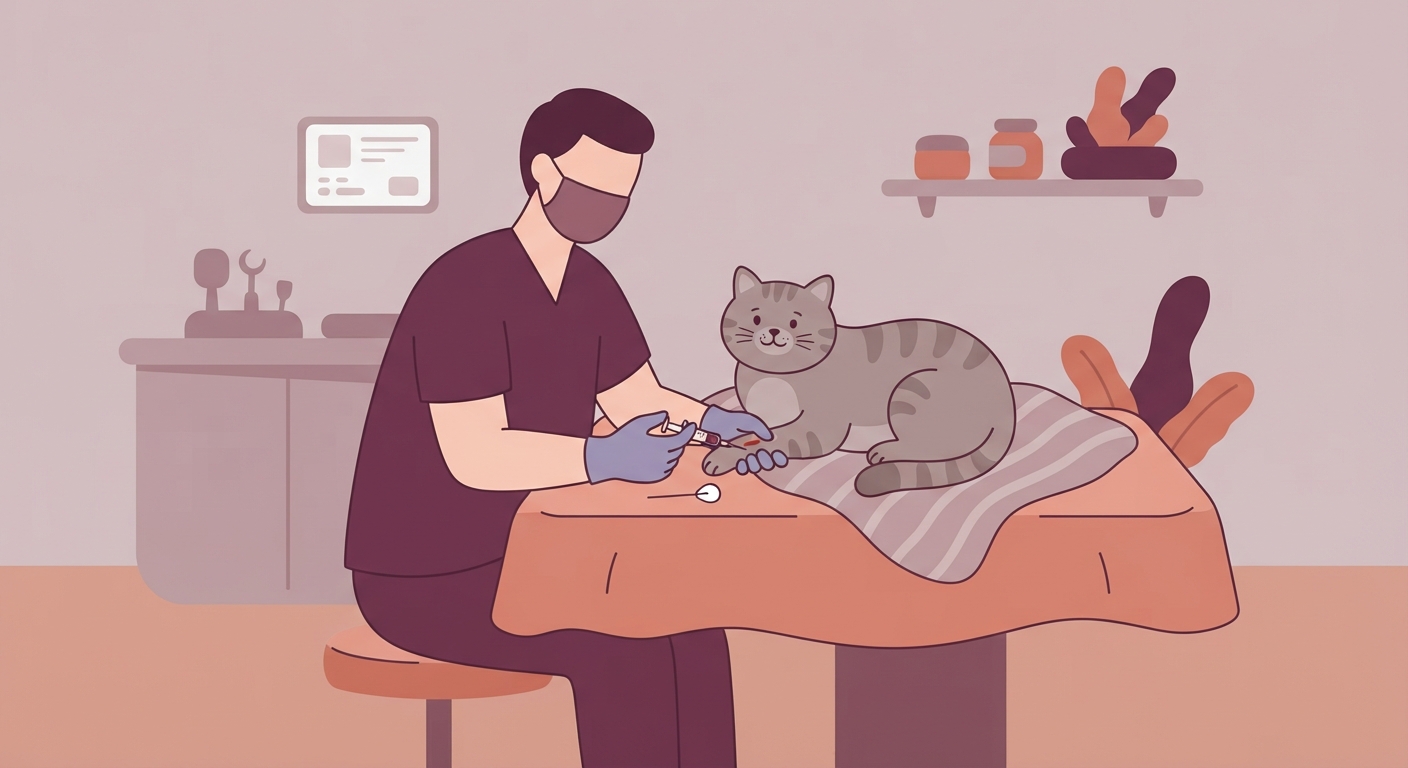
If you’ve got a dog or cat who just crossed into their senior years, you’ve probably noticed your vet started talking about bloodwork differently. What used to be an optional add-on at the annual visit is now something they bring up every single time, sometimes twice a year. That’s not your vet trying to pad the bill. It’s a real shift in how preventive care works once your pet ages out of their easy, low-maintenance years. But it does add up, and it’s fair to want to know what you’re actually paying for and whether you need all of it.
Why vets recommend more frequent screening bloodwork as pets age
Dogs and cats are generally considered “senior” somewhere around seven to ten years old, depending on size and species. Bigger dogs tend to hit senior status earlier than small dogs, and cats usually get there a bit later than dogs overall. Once a pet crosses that line, their organs, especially the kidneys, liver, thyroid, and pancreas, start to show wear at a pace that’s hard to predict from the outside. A pet can look completely normal, eat well, and act playful while bloodwork quietly shows early kidney values creeping up or blood sugar drifting out of range.
The logic behind screening more often isn’t about finding something wrong every time. It’s about catching a trend before it becomes a crisis. Kidney disease, for example, is often manageable for a long stretch if it’s caught early through bloodwork and adjusted with diet or medication. Caught late, after your pet is already showing outward symptoms, it’s often further along and harder to manage. The same goes for thyroid issues in older cats and diabetes in both dogs and cats. None of these show obvious symptoms in their earliest, most treatable stages. Bloodwork is really the only window into that early phase.
There’s also a practical reason vets lean on senior panels: they establish a baseline. If your vet has two or three years of bloodwork on file for your pet, a new abnormal result is much more meaningful. They can tell whether a slightly high liver value is new and worth investigating or whether it’s been sitting in that same spot for years and is just normal for your particular pet. Without that history, every abnormal number looks scarier than it might actually be, which can lead to more follow-up testing, not less.
What’s typically included in a senior wellness panel and average price ranges
A “senior panel” isn’t one standardized product, so what you’re billed for can vary from clinic to clinic. That said, most senior wellness panels bundle a few core pieces:
A complete blood count, often shortened to CBC, looks at red and white blood cells and platelets. It’s useful for spotting anemia, infection, or certain blood disorders. A chemistry panel looks at organ function markers, things like kidney and liver values, blood sugar, and electrolytes. Many senior panels also add a thyroid check, since low thyroid function in dogs and high thyroid function in cats are both common in older pets and easy to miss without testing. A urinalysis is frequently bundled in too, since it pairs with kidney values to give a fuller picture, and it can pick up early signs of diabetes, urinary tract issues, or concentration problems that blood alone won’t show.
Some clinics also throw in a fecal exam, a heartworm or feline leukemia/FIV check depending on the pet, and a blood pressure reading, especially for cats, where high blood pressure is an under-recognized problem in older age.
On pricing, a basic CBC and chemistry combo alone typically runs somewhere in the neighborhood of moderate double digits to around a hundred dollars or so, depending on your region and whether the clinic runs it in-house or sends it to an outside lab. Add a thyroid panel and urinalysis, and a full senior wellness workup commonly lands somewhere between roughly one hundred fifty and three hundred dollars, sometimes more in higher cost-of-living areas or at specialty clinics. In-house lab machines tend to give faster results but can cost a bit more per test than sending samples out, though outside labs take a few days to report back. It’s worth asking your vet’s office directly which route they use and whether there’s a price difference, since that single question can shift your bill more than you’d expect.
Many clinics also offer tiered packages, a basic screen, a more comprehensive senior screen, and sometimes a “geriatric” tier with more extensive organ and hormone testing. It’s reasonable to ask what’s actually different between tiers before agreeing to the priciest one. Sometimes the jump in price buys you meaningfully more information, and sometimes it’s mostly the same core panel with an extra test or two tacked on.
How screening frequency recommendations differ by age, breed, and health history
Not every senior pet needs bloodwork on the same schedule, even if vets often default to recommending it at every visit. A few things realistically shape how often it’s worth doing.
Age within the senior range matters. A seven-year-old dog who just crossed into “senior” territory and has no health history to speak of is in a very different place than a thirteen-year-old dog. Many vets will suggest annual bloodwork for the younger end of the senior range and step up to every six months once a pet reaches the geriatric end, roughly the last quarter or so of a breed’s expected lifespan.
Size and breed tendencies play a role too. Larger dog breeds age faster and tend to develop organ and joint issues earlier than small breeds, so a big dog might be treated as a screening candidate a couple of years before a small dog of the same chronological age. Certain breeds are also more prone to specific issues, some are more prone to kidney concerns, others to heart or endocrine issues, and a vet familiar with your pet’s breed tendencies may adjust their recommendation accordingly. This isn’t about breed standards or pedigree, it’s simply that some breeds statistically run into certain problems more than others, and screening gets tailored around that.
Existing health history is probably the biggest factor of all. A pet with no known issues and clean bloodwork for the last two years might genuinely be fine on an annual schedule. A pet who’s already managing early kidney values, a heart murmur, or a thyroid imbalance is usually going to be on a tighter recheck schedule, often every three to six months, because the whole point at that stage is tracking whether the condition is stable, improving, or getting worse. In those cases, the bloodwork isn’t purely preventive anymore, it’s part of ongoing management, and skipping it means flying blind on whether a treatment or diet change is actually working.
If your vet is recommending a schedule that feels more frequent than you expected, it’s a completely reasonable conversation to have. Asking “what would change about how you treat my pet if this test came back different” is a fair way to understand whether a given screening is truly adding information or if it’s more of a routine default.
Whether wellness plans or insurance add-ons help offset these costs
This is where a lot of pet owners get confused, because “pet insurance” and “wellness coverage” aren’t the same thing, even though they’re often sold together or side by side.
Standard pet insurance policies, the kind that cover accidents and illnesses, generally do not cover routine screening bloodwork. Insurance is built around unexpected, diagnosable problems, not preventive checkups. If your vet finds something on a senior panel and orders follow-up diagnostics or treatment tied to a specific new illness, that part might be covered under an accident-and-illness policy, depending on your plan’s terms and whether the condition is considered pre-existing. But the routine panel itself, the one your vet runs just to check in, usually falls outside that coverage.
That’s where wellness plans or wellness add-ons come in. These are typically offered as a separate rider you pay extra for, either bundled onto an insurance policy or sold independently through your vet’s clinic. They work more like a reimbursement or credit system for routine care: annual exams, vaccines, and yes, often wellness bloodwork, up to a set dollar cap per year. The math only works in your favor if you’re actually using most of what you’re paying for. If a wellness add-on costs you a certain amount per year and your senior panel and checkup together cost close to or more than that, it can be worth it. If you’re paying for a wellness rider and only using a fraction of it, you may be better off setting that money aside yourself.
A useful way to think about it: insurance is for the vet bill you can’t predict, wellness coverage is for the vet bill you can predict but would rather budget in small pieces than pay in one lump sum. Neither one is inherently better, it depends on your own cash flow and how disciplined you are about setting money aside on your own versus paying into a structured plan. Before adding any wellness rider, it’s worth pulling up your clinic’s actual price list for senior panels and doing simple math on what you’d spend without the add-on versus with it, over a full year.
How to budget for ongoing screening without over-testing
The good news is that senior bloodwork, unlike an emergency surgery, is almost entirely predictable. You know roughly when it’s coming and roughly what it costs, which makes it one of the easier pet expenses to plan for well ahead of time.
A simple approach is to set up a dedicated savings cushion just for senior care, separate from your general pet emergency fund. Even a modest amount set aside each month adds up to cover one or two panels a year without it feeling like a surprise expense when the appointment rolls around. Because these costs are so predictable, this is one area of pet ownership where a “sinking fund” style approach, small regular contributions toward a known future cost, works better than trying to save for the unknown.
It’s also worth having a direct conversation with your vet about what’s essential versus what’s a nice-to-have at each visit. If your pet has been stable for a couple of years with clean results, ask whether a full comprehensive panel is necessary every single visit or whether a simpler check would catch the same red flags for less money, with the fuller panel reserved for every other year or when something specific comes up. Most vets are happy to walk through that tradeoff with you rather than defaulting to the most extensive option every time.
Finally, keep a simple record of your pet’s past results, either a printed copy or a photo of the report, and bring it up when a new test is recommended. Comparing this year’s numbers to last year’s is often more useful than the numbers in isolation, and it helps you and your vet agree on whether a recommendation is truly needed now or could reasonably wait. Screening bloodwork is one of the more genuinely valuable things you can do for an aging pet, but knowing what’s driving each recommendation lets you say yes to the testing that matters most without feeling like every visit is a blank check.