
What Hip Dysplasia Is and Why It’s So Common in Certain Dogs
Hip dysplasia happens when the ball-and-socket joint of the hip doesn’t fit together the way it should. Instead of a smooth, snug connection, the joint is loose or malformed, which causes the bones to grind and wear against each other over time. That wear leads to inflammation, discomfort, and eventually arthritis in many dogs. It’s not an injury in the traditional sense — it’s usually a structural issue that a dog is born with a tendency toward, and it tends to show up or worsen as the dog grows and ages.
Genetics play a big role, which is why it’s seen so much more often in larger breeds like German Shepherds, Labrador Retrievers, Golden Retrievers, and Rottweilers, among others. But genetics aren’t the whole story. Rapid growth as a puppy, excess body weight, and even the amount and type of exercise a young dog gets can influence whether hip dysplasia develops and how severe it becomes. That’s actually good news for owners, because it means some of the risk factors are within your control, even if the underlying genetic predisposition isn’t.
For budgeting purposes, the important thing to understand is that hip dysplasia isn’t a one-time problem with a fix and an end date. It’s typically a lifelong condition that gets managed rather than cured, and the intensity of that management can shift dramatically depending on the dog’s age, weight, activity level, and how the joint changes over the years. That’s why planning for it looks less like saving for a single expense and more like building a flexible, ongoing line item into your pet budget.
Early-Stage Management Costs: Supplements, Weight Control, and Physical Therapy
Many dogs with mild to moderate hip dysplasia are managed for years without ever needing surgery. The goal at this stage is to reduce stress on the joint and slow down the wear and tear, and most of the tools for doing that are relatively affordable compared to what comes later if the condition progresses.
Joint supplements containing ingredients like glucosamine and chondroitin are one of the most common starting points. These are an ongoing cost rather than a one-time purchase, since they need to be given consistently to have any effect. Prices vary a lot depending on the brand, the dog’s size, and whether you’re buying a general pet-store product or something a veterinarian specifically recommends.
Weight management is often described by veterinarians as one of the single most impactful things an owner can do for a dog with hip dysplasia, and it’s also one of the cheapest. Extra pounds put extra load on an already compromised joint, so keeping a dog lean can meaningfully affect comfort and how quickly the condition progresses. This might mean switching to a different food, measuring portions more carefully, or cutting back on treats — costs that are usually neutral or even a savings compared to free-feeding.
Physical therapy and controlled exercise are the next layer. This can range from at-home routines your vet walks you through, to structured sessions with a canine rehabilitation specialist that might include hydrotherapy (underwater treadmill work) or targeted strengthening exercises. Vet-supervised rehab sessions add up faster than supplements, especially if they’re recommended on a weekly basis for an extended stretch, so it’s worth asking upfront how many sessions are typically recommended and whether progress is reassessed along the way rather than committing to an open-ended plan.
Regular check-ins with your veterinarian to monitor how the joint is doing also factor into this stage. These visits are usually far less expensive than treatment itself, but they matter because they’re how you and your vet decide whether the current management plan is working or whether it’s time to consider something more aggressive.
When Surgery Becomes Necessary: FHO vs Total Hip Replacement Cost Ranges
For dogs with severe dysplasia, or those whose joints continue to deteriorate despite conservative management, surgery may eventually be recommended. There are a few different surgical approaches, and the right one for a given dog depends on factors like age, size, and the severity of the joint damage — decisions that should always be made in partnership with a veterinarian or veterinary surgeon, not from general information online.
Two of the more common surgical options that come up in these conversations are femoral head osteotomy (FHO) and total hip replacement (THR). Broadly speaking, FHO involves removing the head of the femur so the body forms a “false joint” out of scar tissue and surrounding muscle. It tends to be less expensive than a full hip replacement and is often used for smaller dogs, or in situations where cost or other health factors make a full replacement less practical. Recovery involves a significant period of restricted activity and rehabilitation to help the new joint function well, and outcomes can be quite good, though the joint won’t move exactly like a natural hip.
Total hip replacement is a more involved procedure that replaces the joint with an artificial implant, similar in concept to hip replacement surgery in humans. It’s generally the more expensive option and is usually performed by a board-certified veterinary surgeon rather than a general practice vet, which adds to the cost but also reflects the specialized skill involved. THR tends to produce a more naturally functioning joint, which is part of why it’s often recommended for larger, more active dogs where full mobility matters more.
Costs for either surgery can vary enormously depending on where you live, whether the surgery is done at a specialty referral hospital, and whether one or both hips need to be addressed. On top of the surgery itself, budget for pre-surgical diagnostics like X-rays or advanced imaging, anesthesia, hospitalization, pain management, and a recovery period that often includes follow-up rehab. It’s genuinely one of those situations where getting a detailed written estimate from the surgical team before committing is the best way to avoid being blindsided, since the final bill can include several components beyond the operation itself.
Ongoing Costs as Dogs Age: Mobility Aids, Pain Management, and Monitoring Visits
Whether or not a dog has surgery, hip dysplasia tends to be a condition that owners manage for the dog’s entire life, and the costs shift as the dog ages. Arthritis is a common long-term companion to hip dysplasia, since the joint changes that come with dysplasia often accelerate wear on the cartilage over time.
Pain management is frequently the biggest ongoing cost. This might include daily anti-inflammatory medication, and for some dogs, additional pain relievers as the condition progresses. These medications are generally an ongoing prescription cost, and depending on the dog’s size, larger breeds often need higher doses, which can mean a higher monthly cost simply due to body weight.
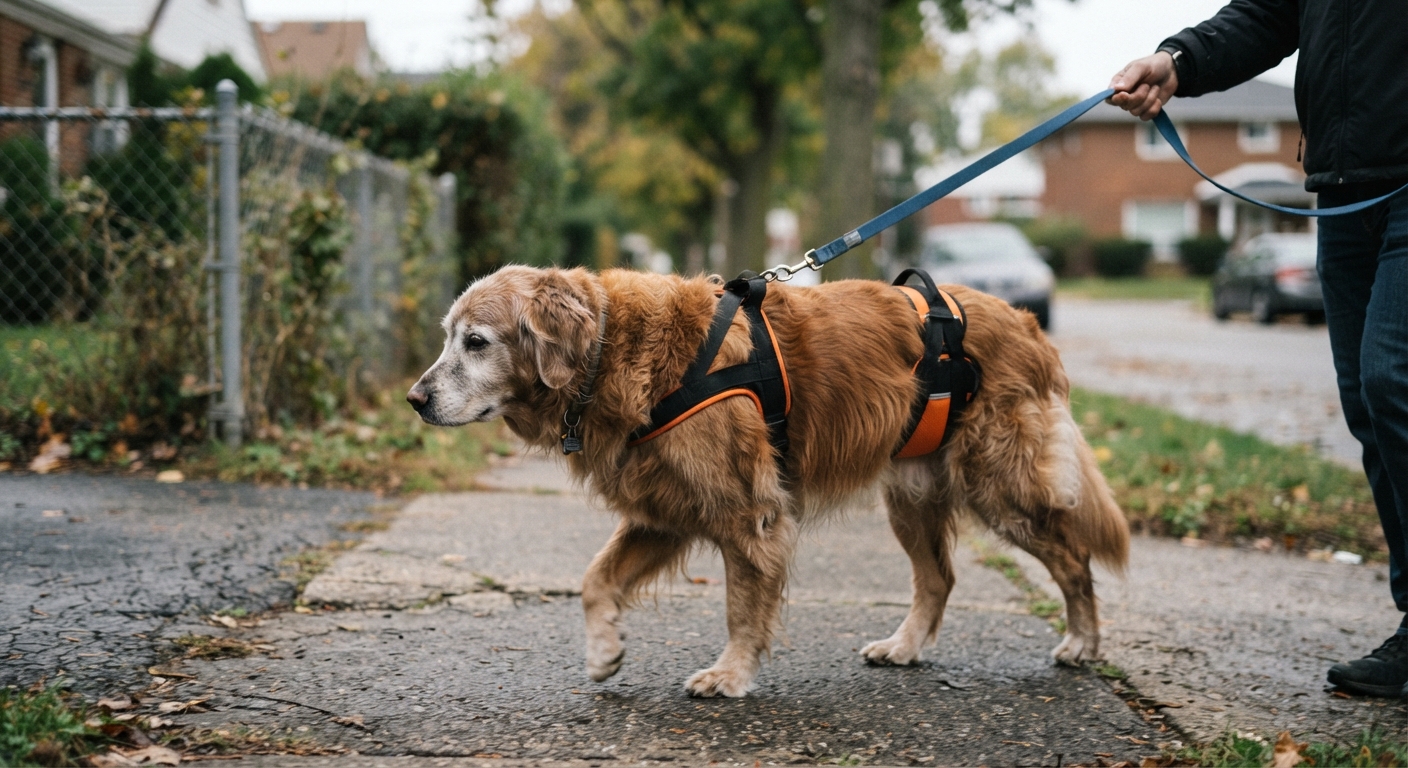
Mobility aids are another category worth planning for. Ramps to avoid stairs, orthopedic beds that reduce pressure on the joints, non-slip flooring or rugs, and supportive harnesses that help owners assist a dog getting up or navigating stairs are all common purchases. None of these individually cost a fortune, but they add up, especially if you’re outfitting multiple areas of the house.
Regular monitoring visits also continue throughout a dog’s life with hip dysplasia, since the condition and its management often need to be reassessed as the dog ages, gains or loses weight, or becomes less active. Periodic X-rays may be recommended to check how the joint is holding up, particularly if new symptoms appear or if a surgical joint needs to be evaluated years down the line.
Some owners also explore complementary options like acupuncture or continued physical therapy as maintenance rather than acute treatment. These aren’t necessary for every dog, but for owners who find them helpful, they’re worth factoring into an ongoing care budget rather than treating as a one-time expense.
How Pet Insurance Treats Hip Dysplasia, Including Breed-Based Exclusions and Waiting Periods
Pet insurance can be genuinely helpful for a condition like hip dysplasia, but the details of how a policy treats it matter enormously, and this is an area where reading the fine print before you need it pays off.
The single biggest factor is timing. Hip dysplasia is generally considered a condition that can be present, even if not yet diagnosed or symptomatic, well before obvious signs appear. Because of this, most insurers treat it as subject to standard waiting periods for orthopedic or joint-related conditions, and some companies apply longer waiting periods specifically for hip dysplasia and similar orthopedic issues compared to their general accident and illness waiting period. If a dog is already showing signs of hip dysplasia, or has been diagnosed, before a policy is purchased or before the waiting period ends, it will typically be treated as a pre-existing condition and excluded from coverage going forward, sometimes permanently.
This is why the timing of buying pet insurance matters so much for predisposed breeds. Enrolling a puppy of a breed known for hip dysplasia before any symptoms appear gives the best chance of the condition being covered if it does develop later, since it won’t be considered pre-existing. Waiting until a dog is already limping or has been flagged on an exam is often too late for that particular condition, even if the policy would otherwise cover the dog for unrelated issues.
It’s also worth knowing that some insurers have specific underwriting practices for breeds with a known predisposition to hip dysplasia, which can include exclusions, add-on riders, or different terms depending on the company and the dog’s breed and age at enrollment. These practices vary by insurer and can change, so it’s worth reading a policy’s actual terms — not just marketing materials — and asking direct questions about how orthopedic conditions and breed-specific risks are handled before you buy. A conversation with the insurer’s customer service, or a careful read of the sample policy documents most companies make available before purchase, is the most reliable way to know what you’re actually getting.
Building a Realistic Year-by-Year Budget for a Dog Diagnosed Early in Life
If your dog is diagnosed with hip dysplasia early — say, in the first year or two of life — it helps to think about costs in phases rather than trying to estimate one lifetime number.
In the first year after diagnosis, costs are often on the lower end if the case is mild: diagnostic imaging to confirm the diagnosis, an initial consultation, and the start of a conservative management plan involving supplements, dietary changes, and possibly a few rehab sessions. This is also the phase where getting pet insurance in place, if you haven’t already, is most valuable for future flexibility — though remember that coverage for hip dysplasia specifically may already be affected if the diagnosis has occurred.
In the following few years, many dogs settle into a maintenance routine: ongoing supplements, weight monitoring, periodic vet visits to check progress, and pain management as needed. Costs during this stretch tend to be steadier and more predictable, which makes it easier to build into a monthly budget, similar to how you’d budget for food or grooming.
The wildcard years are the ones where the condition worsens enough that surgery becomes part of the conversation. This can happen anytime from puppyhood through middle age, and it’s the point where costs jump the most sharply. Setting aside a dedicated savings buffer for this possibility, on top of whatever insurance you carry,