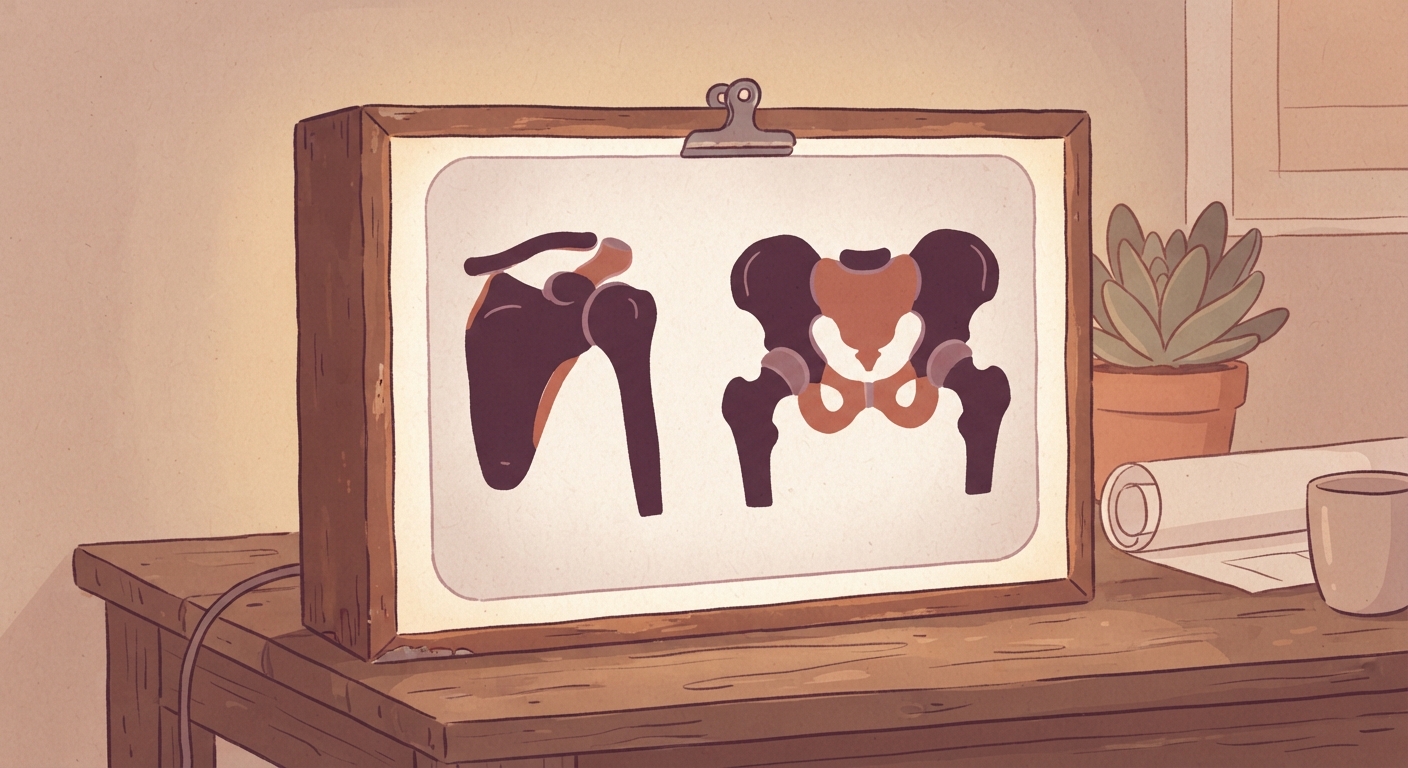

Most pet owners read a pet insurance policy looking for the big stuff: what’s covered, what’s excluded, how the deductible works. Fewer people notice a short clause, usually tucked into the definitions or exclusions section, that deals with “bilateral” or “paired” body parts. It’s easy to skim past. It’s also one of the clauses most likely to surprise you later, because it can quietly reclassify a brand-new injury or illness as a pre-existing condition, even though your pet never had a problem on that side of the body before.
Understanding how this works before you enroll, or before you’re staring down a second surgery bill, can save you from a frustrating and expensive misunderstanding.
What a bilateral conditions clause actually means
Dogs and cats, like people, have a lot of body parts that come in pairs: two knees, two hips, two eyes, two ears, two cranial cruciate ligaments. A bilateral conditions clause is language in a pet insurance policy that says if a condition affecting one of a paired set of body parts is diagnosed or shows symptoms before or during a waiting period, then the same condition on the opposite, matching body part is also treated as pre-existing, even if it hasn’t happened yet and even if it never actually gets diagnosed until much later.
In plain terms: the insurer is betting that if one knee has a torn ligament, the other knee is at meaningfully higher risk of the same problem down the road. Many of these conditions genuinely do have that pattern, which is exactly why insurers write the clause. But for you as the owner, the practical effect is that a future injury or diagnosis on the “good” side can be denied as pre-existing, sometimes years after the original diagnosis, sometimes even if the two events aren’t related at all.
This is different from a standard pre-existing condition exclusion, which usually only concerns the same body part or the same specific diagnosis recurring. A bilateral clause extends that exclusion sideways, to the mirror-image body part, based on the idea that paired structures tend to fail in similar ways over time.
Why insurers include this language
From an actuarial standpoint, this isn’t an arbitrary trick. Certain conditions really do show up on both sides of the body at meaningfully higher rates than chance would predict. Insurers use bilateral clauses to manage that predictable risk, the same way they manage risk around breed-related conditions or age-related claims. The clause protects the insurance pool from a scenario where people wait until one side is already affected before buying coverage, then file a claim for the other side soon after.
That’s a reasonable goal in theory. In practice, it means the clause can catch owners who had no idea their pet was at risk, who bought a policy in good faith, and who are now facing a denial on a condition that, medically speaking, may have had nothing to do with the earlier one.
Common examples: cruciate ligaments, hip dysplasia, cataracts
Bilateral clauses show up most often around a specific, recognizable set of conditions. Knowing which ones tend to be flagged can help you read a policy more carefully and ask sharper questions.
Cranial cruciate ligament injuries
This is probably the single most common trigger for bilateral clause disputes in dogs. A torn cranial cruciate ligament, the canine equivalent of an ACL tear, is a frequent injury, and dogs that tear one often go on to tear the other at some point, sometimes because of altered gait and weight distribution after the first injury, sometimes simply because of shared risk factors like body weight, breed, or joint conformation. Insurers are well aware of this pattern, so many policies specifically define cruciate ligament conditions as bilateral for coverage purposes.
Hip dysplasia
Hip dysplasia is a developmental condition that, when it’s present, is very often present in both hips to some degree, even if one side becomes symptomatic first. Because of that biological reality, insurers frequently treat a hip dysplasia diagnosis on one side as effectively covering, or excluding, the other hip going forward, depending on the timing relative to enrollment and any waiting period.
Cataracts
Cataracts in dogs and cats can be caused by genetics, diabetes, age, or injury, and they frequently do progress to affect both eyes over time, particularly when there’s an underlying systemic cause like diabetes. A cataract diagnosis in one eye can lead an insurer to classify a later cataract in the other eye as related and therefore pre-existing, especially if the underlying cause is something ongoing rather than a one-time injury.
Other conditions to watch for
Beyond these three well-known examples, keep an eye out for bilateral language attached to things like elbow dysplasia, certain ear conditions, luxating patellas, and some skin or allergy conditions that tend to show up symmetrically. Policies vary in exactly which conditions they name, so the specific list matters more than any general assumption.
How one earlier diagnosis can affect the opposite side later
The timing details matter enormously here, and this is where owners get tripped up. A bilateral conditions clause typically interacts with your policy’s effective date and any waiting period in one of a few ways, depending on the insurer and the specific policy language:
- Diagnosed before enrollment: If your pet was diagnosed with a condition on one side before you bought the policy, most insurers will treat the same condition on the opposite side as pre-existing from day one, regardless of when it eventually appears.
- Diagnosed during the waiting period: Many policies have a waiting period, often a couple of weeks for illness and sometimes longer for orthopedic conditions specifically. If the first-side diagnosis happens during that window, the opposite side can also be excluded going forward, even though you were already paying premiums.
- Diagnosed after coverage is active and the waiting period has passed: This is the scenario owners often assume protects them, and it’s the one where bilateral clauses cause the most frustration. Even if the first diagnosis happens well after your policy is active and any waiting period is behind you, the bilateral clause can still mean that if the opposite side is affected later, the insurer treats it as a continuation of the same underlying condition rather than a new, separately coverable event.
That third scenario is the one that catches people off guard, because it feels like it should be fully covered. Your policy was active, the waiting period was long over, the first knee surgery was paid for without issue. Then, two years later, the other knee goes, and the claim comes back denied or only partially paid because the policy’s bilateral definition treats “cruciate ligament disease” as one ongoing condition affecting a joint system rather than two separate, independent injuries.
Some insurers soften this by making the bilateral exclusion time-limited, so that after a certain number of months or years without any symptoms on the second side, it’s treated as a fresh, insurable event. Others don’t offer that kind of sunset provision at all, and the exclusion is effectively permanent once the first side is diagnosed. This is one of the biggest differences between policies that otherwise look similar on paper, and it’s rarely obvious unless you go looking for it.
Why this matters even if your pet seems healthy right now
It’s tempting to think about bilateral clauses only after a diagnosis happens. But the more useful time to think about them is before enrollment, especially for breeds or individual pets that are already known to be at higher risk for paired-joint or paired-organ conditions. A young, large-breed dog with no symptoms yet is exactly the kind of pet where this clause could matter most down the road, simply because of how common cruciate and hip issues are in that population as dogs age.
It also matters if you’re switching insurers. A new policy will generally look at your pet’s full medical history, and if one side of a paired body part was ever diagnosed with a condition under a previous policy or before any coverage at all, the new insurer’s bilateral clause may exclude the other side too, even though the new company never covered or was informed about the first incident until you disclosed it.
Questions to ask an insurer about this clause before enrolling
Because bilateral conditions clauses vary so much from one policy to the next, and because the language is often written in fairly dense insurance terminology, it’s worth asking direct questions before you sign up, or before you assume your existing policy works a particular way. A few worth asking:
- Does this policy include a bilateral or paired-organ conditions clause, and if so, which specific conditions does it name?
- If one side of a paired body part is diagnosed after my policy is active and past the waiting period, will the opposite side still be covered if it’s affected later?
- Is there a time limit after which the opposite side becomes insurable again, or is the exclusion permanent once one side is diagnosed?
- Does the clause apply only to injuries and diagnoses, or also to related risk factors, like a breed predisposition noted in medical records?
- How does this policy define “bilateral” for the purposes of claims, since some insurers apply it narrowly to a single named diagnosis and others apply it broadly to a category of joint or organ disease?
- If I switch insurers later, how would this insurer treat a prior diagnosis from a previous policy on one side of a paired body part?
Ask these questions directly to the insurer, in writing if possible, and keep the answer for reference. Sales materials and marketing pages rarely spell out bilateral clause details in plain language, so you may need to look at the actual policy document or ask a representative to point you to the specific section. Since policy terms and how insurers define bilateral conditions can change between plan years and between companies, always confirm current wording directly with the insurer, or check your policy’s declarations and definitions pages, rather than relying on general assumptions or older information.
Bilateral conditions clauses aren’t a sign of a bad insurer or a scam. They reflect a real pattern in veterinary medicine, where paired body parts often do share risk. But that same real pattern is exactly why the clause deserves a close read before you need it, not after you’ve already gotten a denial letter for a knee, hip, or eye that seemed perfectly fine until it wasn’t.